What to Pack for a KZN Safari: A Practical Checklist for Any Season

Packing for a KwaZulu-Natal safari sounds simple — neutral clothes, sunscreen, maybe a hat — until travelers arrive and realize KZN’s climate is nothing like the Kruger or the drier northern regions of Southern Africa. The province’s coastal humidity, sudden rainstorms, cool winter mornings, and surprisingly warm afternoons can catch even seasoned safari-goers off guard.
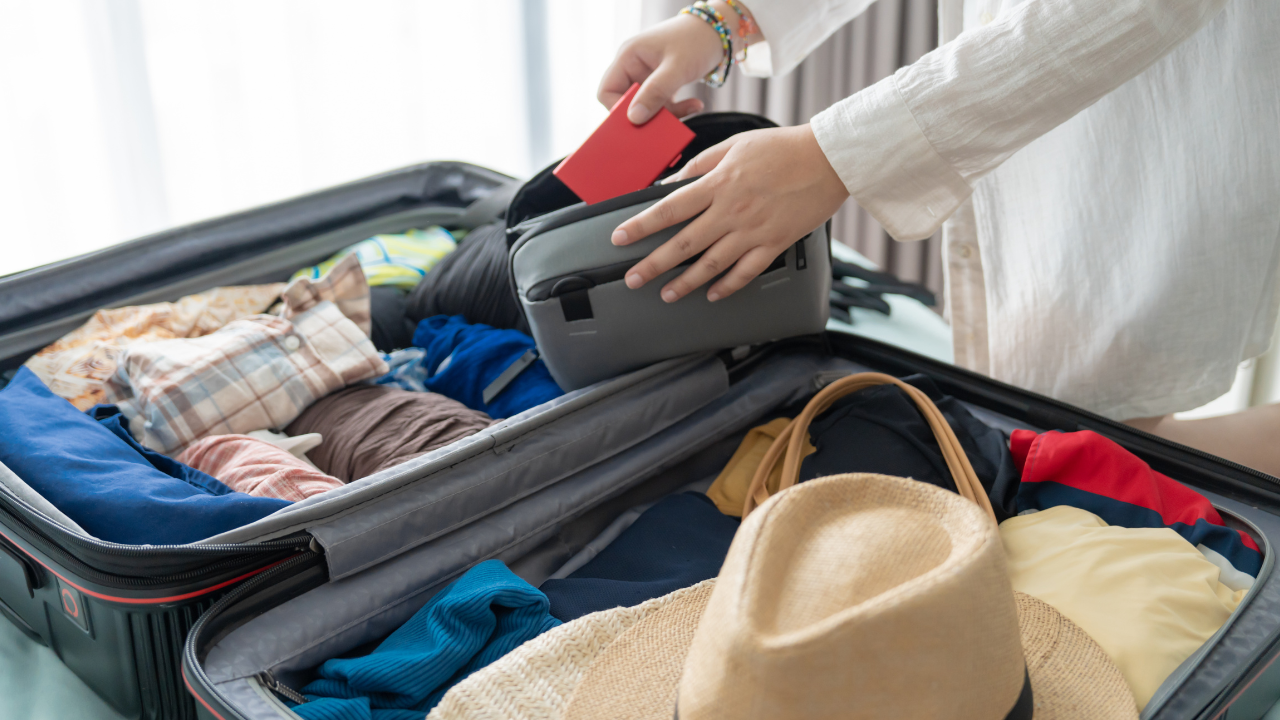
A smart packing list doesn’t have to be long or complicated. It just needs to reflect real conditions: shifting temperatures, open safari vehicles, dusty roads, and the practical reality that you won’t wear half the things you thought you would. The goal is to stay comfortable, prepared, and fully focused on enjoying the wildlife — not fussing with gear.
Here’s a grounded, no-nonsense checklist based on what actually works in KZN’s varied climate.
Clothing: Pack for Heat, Humidity, and Cool Evenings
KZN has two climates: coastal humidity and inland bushveld coolness, and your suitcase should be ready for both.
Essentials:
-
2–3 breathable shirts (cotton or lightweight technical fabric)
-
A warm layer for early game drives (fleeces or lightweight puffer jackets work best)
-
Comfortable safari pants or joggers
-
1 pair of shorts for warm midday hours
-
A rainproof or water-resistant layer (critical in summer)
-
Closed shoes for walking safaris or uneven lodge paths
-
A wide-brim hat for sun protection
-
Neutral colors (tan, olive, grey) help you blend into the bush without absorbing heat
What surprises most people is how cool early mornings can be inland — places like Hluhluwe-iMfolozi, Nambiti, and Manyoni often start the day with a chill, even in summer. Meanwhile, if you're staying along the Elephant Coast or St Lucia, the humidity can make clothing feel heavier quickly. Breathable fabrics are your friend.
Weather Differences to Keep in Mind
KZN isn’t uniform. Packing well means knowing where you’re headed:
Elephant Coast (Sodwana, Tembe, St Lucia):
-
High humidity
-
Hot summers
-
Afternoon thunderstorms
-
Evenings stay warm
Zululand & Northern KZN Reserves (Manyoni, Phinda, Hluhluwe):
-
Warm days
-
Cooler mornings and evenings
-
Dry winters, pleasant mid-day heat
Midlands & Battlefields (Nambiti, Babanango):
-
Noticeably colder in winter
-
Crisp mornings all year
-
Storm seasons can be dramatic
A one-size packing list doesn’t work — but a flexible one does.
Camera Gear: Keep It Light and Practical
Travelers often bring too much camera equipment and spend half their safari fiddling with lenses instead of watching the actual wildlife. The best approach is simple and functional.
Recommended Basics:
-
A camera with a good zoom (200–400mm)
-
A lightweight strap (comfortable for long drives)
-
A microfiber lens cloth (dust is constant)
-
Extra batteries
-
A small, padded camera pouch for vehicle bumps
Phone cameras work incredibly well for landscapes and lodge photography. A mid-range DSLR or mirrorless camera is great for wildlife — nothing extreme required.
What matters more than the equipment is being ready to shoot without digging through an oversized bag. Keep gear compact and reachable.
What People Always Forget — But Shouldn’t
These often get overlooked and end up being the most-used items:
-
Sunscreen (even in winter — the KZN sun is strong)
-
Lip balm (game drives dry your lips quickly)
-
Insect repellent for dusk and lodge walkways
-
A reusable water bottle
-
Sunglasses
-
A small day-pack for game drives
-
A scarf or buff (dust protection + warmth for early drives)
-
Travel adapter (South Africa uses Type M and sometimes N)
If you remember nothing else, remember this: pack fewer clothes and more comfort items.
What Not to Pack
There’s a surprising amount you don’t need on a KZN safari — and leaving these out saves weight and frustration.
Skip these:
-
Bright neon clothing (wildlife doesn’t love it, and it ruins photos)
-
Heavy boots (unless doing serious walking safaris)
-
Hair tools (humidity wins every time)
-
Fancy evening outfits (lodges are relaxed, even luxury ones)
-
Overly long lenses (they’re bulky and rarely necessary)
-
Perfume or strong scents (they attract insects)
Most lodges offer laundry services, which makes overpacking completely unnecessary.
Health & Comfort Items (Simple, Non-Medical)
These items keep you comfortable without veering into medical territory:
-
Basic toiletries
-
Moisturizer (game-drive wind dries skin quickly)
-
Hand wipes or sanitizer
-
A small first-aid kit (plasters, antiseptic wipes)
-
Rehydration sachets for hot days
-
Reusable earplugs (for light sleepers — bush sound is beautiful but alive)
A safari isn’t about gear — it’s about being present. When you’re dressed comfortably, protected from the elements, and not weighed down by unnecessary things, the experience becomes exponentially richer.
Final Takeaway
Packing for a KZN safari is about versatility, not volume. The mix of humid coastal weather, cooler inland mornings, and shifting seasons means the best suitcase is one that adapts. Neutral clothes, a warm layer, light camera gear, and a few comfort items cover 99% of what the trip requires.
Keep it simple, stay comfortable, and leave room in your bag for the real souvenirs — the moments you bring back.
Listings related to What to Pack for a KZN Safari: A Practical Checklist for Any Season

Thanda
Thanda Safari is one of KwaZulu-Natal’s most celebrated luxury game reserves, offering a refined and romantic escape in the heart of Zululand.

Leopard Mountain Safari Lodge
Leopard Mountain Safari Lodge offers an intimate and exclusive safari experience perched on the cliffs of Zululand’s Greater Rhino Reserve.

Babanango Game Reserve
Babanango is perfect for travelers seeking a private, serene safari experience.