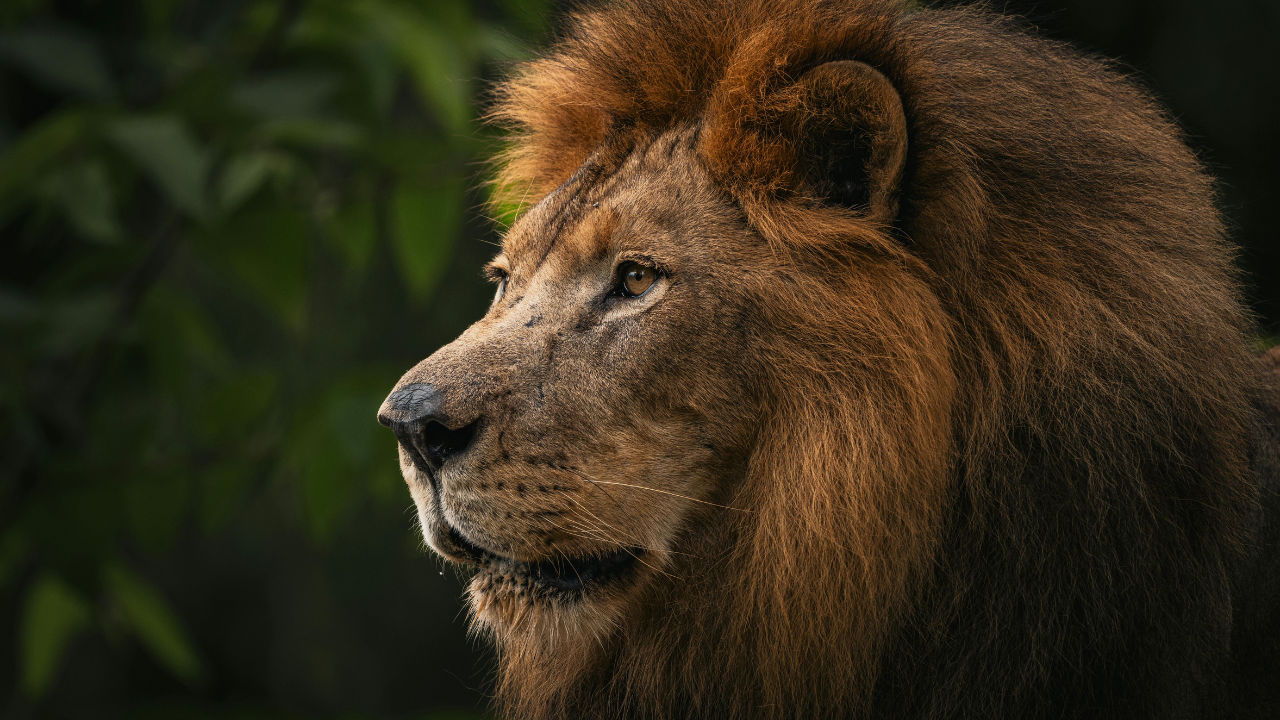
Planning a safari in KwaZulu-Natal is exciting, but it often begins with one important decision: should you choose a private game reserve or a national park? Both offer incredible wildlife, beautiful landscapes, and the chance to experience the African bush up close, but the style of safari can be very different.
Some travellers dream of luxurious lodges, expertly guided game drives, and exclusive wildlife sightings. Others prefer the freedom of exploring at their own pace, discovering animals independently, and experiencing a more traditional safari adventure. Neither approach is better—they simply cater to different travel styles.
KwaZulu-Natal is fortunate to offer outstanding examples of both. Private reserves such as Nambiti Private Game Reserve and Zululand Rhino Reserve provide intimate, all-inclusive safari experiences, while public parks like Hluhluwe-iMfolozi Park and sections of iSimangaliso Wetland Park allow visitors to explore some of South Africa's most important conservation areas with far greater flexibility.
If you're unsure which option suits you best, this guide explains the key differences so you can choose a safari you'll remember for years to come.
What Is a Private Game Reserve?
A private game reserve is a protected wildlife area owned and managed by private organisations or conservation groups. Visitor numbers are usually limited, creating a quieter and more exclusive experience than many public parks.
Most private reserves include guided game drives as part of your stay. Instead of driving yourself, you'll head into the bush with experienced rangers and, in some cases, dedicated trackers who understand animal behaviour and know where wildlife has recently been spotted.
One of the biggest advantages of private reserves is the quality of the game drives. Rangers communicate with each other throughout the day, sharing wildlife sightings and adjusting routes when animals move around the reserve. In many reserves, guides may also be allowed to leave designated roads for certain sightings when it can be done responsibly. This often leads to longer and more intimate encounters with lions, leopards, elephants, or rhinos than would be possible in a public park.
Accommodation is another defining feature. Lodges tend to be smaller, offering personalised service, excellent dining, beautifully designed suites, and carefully planned safari itineraries. Rather than worrying about logistics, guests can simply relax and enjoy the experience.
Private reserves are particularly popular with honeymooners, couples celebrating special occasions, first-time safari visitors, and travellers seeking a luxury escape.
What Is a National Park Safari?
National parks are publicly protected conservation areas managed primarily for wildlife preservation and public access. In KwaZulu-Natal, Hluhluwe-iMfolozi Park is the best-known example, while parts of iSimangaliso Wetland Park also provide excellent safari opportunities.
Unlike private reserves, national parks usually allow visitors to explore independently in their own vehicles. This gives travellers complete control over their day. You can choose when to leave camp, how long to stay at a sighting, and which roads to explore without following a guide or schedule.
For many safari enthusiasts, this freedom is one of the greatest joys of visiting a national park. Every wildlife sighting feels earned, whether it's stumbling across a family of elephants crossing the road or spotting a leopard resting high in a tree.
National parks are also typically much larger than private reserves, allowing animals to roam across vast natural landscapes. The sense of wilderness can be extraordinary, making every drive feel like a genuine expedition.
Accommodation is often more varied as well. Visitors can choose affordable campsites, self-catering chalets, family-friendly rest camps, or luxury lodges depending on their budget and travel preferences.
For independent travellers, families, photographers, and anyone who enjoys the adventure of finding wildlife on their own, national parks offer a rewarding and authentic safari experience.
Wildlife Sightings: Which Offers the Better Experience?
Both private game reserves and national parks are home to remarkable wildlife, including the famous Big Five. The difference isn't necessarily the animals you'll see—it's how you'll see them.
Private reserves often provide more consistent sightings of predators such as lions and leopards. Experienced guides spend every day tracking wildlife and remain in contact with one another, increasing the chances of locating animals and spending longer observing them.
National parks rely more on luck, patience, and careful observation. Some drives may produce extraordinary sightings, while others are quieter. Many experienced safari travellers actually enjoy this unpredictability because it creates a stronger sense of exploration and discovery.
If seeing as many animals as possible is your highest priority, a private reserve may have the advantage. If you enjoy the excitement of searching for wildlife yourself, a national park offers a very different kind of satisfaction.
Accommodation and Overall Comfort
Accommodation is another area where the two experiences differ considerably.
Private game reserves generally focus on luxury. Many lodges include spacious suites, gourmet meals, swimming pools, spa treatments, and private viewing decks overlooking the bush. Daily game drives, meals, and other activities are often included in one package, making planning simple and stress-free.
National parks offer much greater variety. Budget-conscious travellers can stay in camps with basic but comfortable facilities, while those looking for something more luxurious can often find premium safari lodges nearby or within the park itself.
The choice comes down to what kind of holiday you're hoping to have. Some travellers love returning to a five-star lodge after every game drive, while others are perfectly happy enjoying a barbecue beneath the stars at a traditional rest camp.
Which Option Is Better for Families?
Families can have an incredible experience in either setting, but there are some differences worth considering.
National parks often provide greater flexibility for families travelling with older children. Self-driving allows parents to adjust the day as needed, stop for breaks, or spend extra time watching favourite animals.
Private reserves can be an excellent option for families seeking convenience. Many lodges handle every aspect of the safari, from meals to guided activities, allowing parents to relax without worrying about planning each day. Some lodges also offer family suites and children's safari programmes, although age restrictions may apply to game drives.
Before booking, it's always worth checking the lodge's policies if you're travelling with younger children.
Budget: Which Offers Better Value?
One of the biggest differences between private reserves and national parks is cost.
National parks are generally the more affordable choice. Self-driving removes the expense of private guides, and accommodation options cater to a wide range of budgets. Visitors can decide exactly how much they want to spend, making national parks accessible to almost everyone.
Private game reserves usually require a larger investment, but it's important to consider what's included. Accommodation, meals, guided game drives, beverages, and additional experiences are often bundled into one package. For travellers seeking a premium, hassle-free holiday, this can represent excellent value.
Rather than focusing only on the nightly rate, compare the complete experience before making a decision.
Which Safari Fits Your Travel Style?
If you're dreaming of luxury, exceptional service, and expertly guided wildlife encounters, a private game reserve is likely to be the perfect choice. Everything is designed to maximise comfort while giving guests the best possible chance of memorable wildlife sightings.
If you enjoy flexibility, independence, and the thrill of discovering wildlife at your own pace, a national park may suit you better. Every drive becomes part of the adventure, and the vast landscapes create a powerful sense of exploration.
Photographers often enjoy both experiences for different reasons. Private reserves can provide closer wildlife encounters, while national parks offer greater freedom to revisit locations, wait patiently for the perfect light, or spend longer with a particular sighting.
Many experienced safari travellers eventually discover that both styles complement each other beautifully.
So, Which Safari Should You Choose?
There's no universally right answer when deciding between a private game reserve and a national park safari in KwaZulu-Natal.
Choose a private game reserve if you value luxury, personalised service, expert guides, and consistently excellent wildlife encounters. It's ideal for first-time safari visitors, couples, honeymooners, and anyone looking for a seamless, all-inclusive experience.
Choose a national park if you value freedom, flexibility, conservation, and the excitement of exploring independently. It's perfect for families, budget-conscious travellers, photographers, and safari enthusiasts who enjoy the challenge of finding wildlife themselves.
If time and budget allow, many travellers choose to combine both experiences. Spending a few days in a private reserve followed by time exploring a national park offers the best of both worlds—luxurious guided safaris alongside the rewarding adventure of discovering Africa's wildlife on your own.
Whichever option you choose, KwaZulu-Natal is home to some of South Africa's finest safari destinations. By matching your safari style to your travel preferences, you'll create an experience that's every bit as unforgettable as the wildlife itself.