Every safari begins with excitement.
Maps get opened. Lodges are bookmarked. Wildlife photos start filling your browser tabs. Before long, you've built an itinerary that somehow includes six game reserves, four hotels, three beaches, two mountain ranges, and a six-hour drive squeezed between breakfast and sunset.
On paper, it looks incredible.
In reality, it would probably leave you exhausted.
Planning a multi-reserve safari in KwaZulu-Natal isn't about fitting in as many destinations as possible. It's about creating a journey where each stop adds something new without making the trip feel rushed.
That's one of the reasons KwaZulu-Natal is such a rewarding safari destination. Within a relatively compact province, you'll find rolling Big Five reserves, ancient sand forests, UNESCO World Heritage wetlands, luxury private lodges, mountain scenery, and a coastline stretching hundreds of kilometres along the Indian Ocean.
The challenge isn't finding places worth visiting.
It's knowing how to combine them well.
Here's how experienced travellers build an itinerary that feels balanced, memorable, and enjoyable from beginning to end.
Start With One Question, Not One Reserve
Many people begin by asking,
"Which reserve is the best?"
A better question is:
"What kind of holiday do we want?"
That answer shapes everything else.
If your priority is wildlife photography, you'll probably spend more time in reserves like Hluhluwe-iMfolozi Park or Tembe Elephant Park, where patience often rewards you with extraordinary sightings.
If you're celebrating a honeymoon or anniversary, a few nights at Nambiti Private Game Reserve may become the highlight of the trip thanks to its luxurious lodges and guided experiences.
Families often prefer a mix of wildlife and activities, combining iSimangaliso Wetland Park with beach days in St Lucia or a relaxed stop in Durban.
Once you understand the type of trip you're planning, choosing the right reserves becomes much easier.
Think in Experiences, Not Destinations
Here's a mistake many first-time visitors make.
They choose destinations because they look impressive individually.
Instead, choose them because they complement one another.
Imagine this sequence:
You begin in Hluhluwe-iMfolozi, driving through rolling hills in search of lions and rhinos.
A few days later, you're exploring the wetlands of iSimangaliso, watching hippos surface beside your boat as fish eagles call overhead.
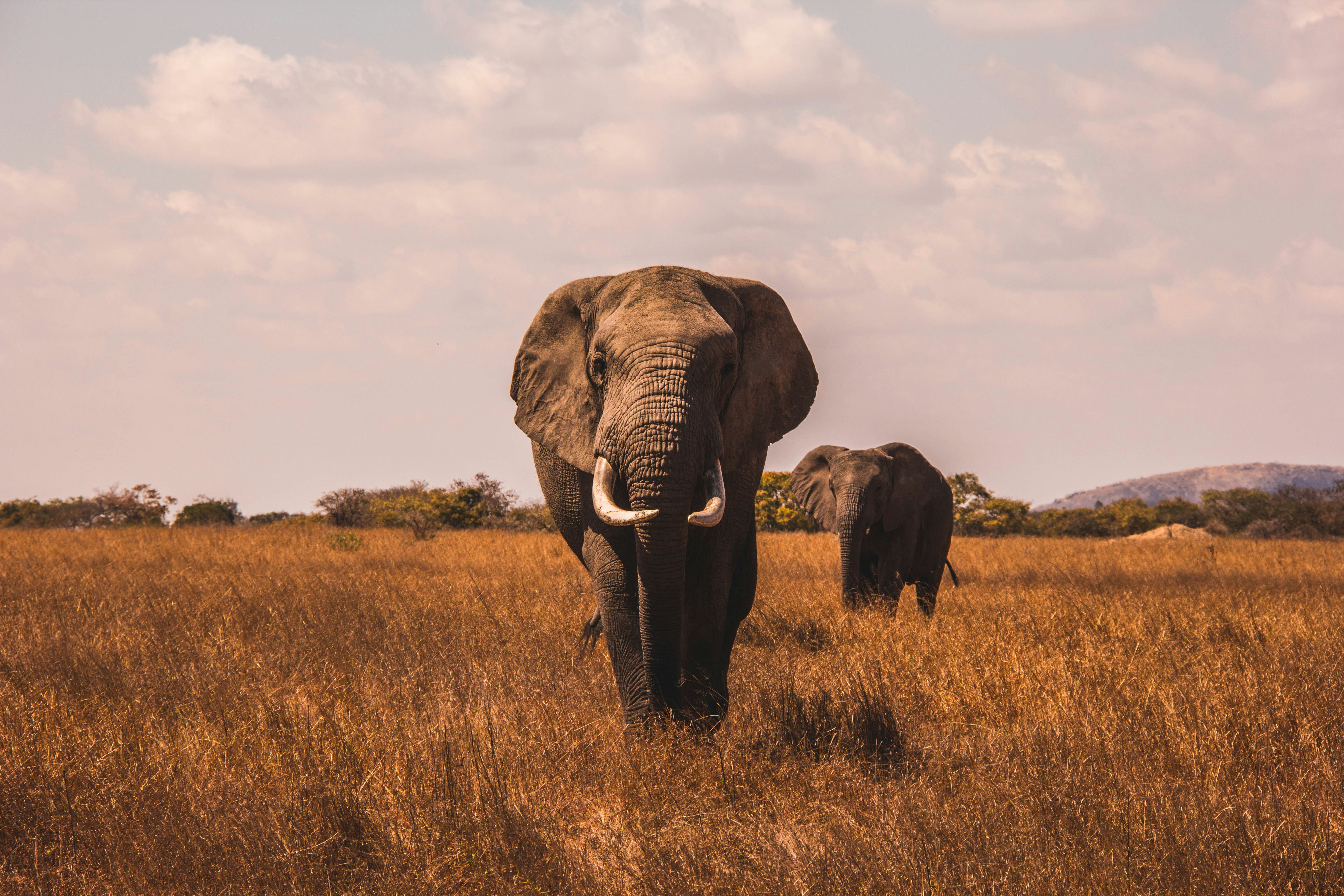
Then you head north to Tembe Elephant Park, where giant tuskers wander silently through ancient sand forests.
Every destination feels completely different.
You're not repeating the same safari three times.
You're discovering three different ecosystems, each with its own wildlife, landscapes, and atmosphere.
That's what makes a multi-reserve safari unforgettable.
Don't Change Lodges Every Night
This may be the single biggest mistake travellers make.
It's tempting to maximise every day.
One night here.
Another night there.
Another reserve tomorrow.
By the third morning, you're spending more time packing bags than watching wildlife.
Safari has its own rhythm.
Early mornings.
Slow afternoons.
Evening game drives.
Campfires after dinner.
You only begin to appreciate that rhythm once you've stayed somewhere for a couple of nights.
As a rule of thumb, spend at least two nights in every major destination.
Three nights is even better.
Not because you'll see more animals—although you probably will—but because you'll actually have time to enjoy where you are.
Know When to Choose Luxury
Not every stop needs to be luxurious.
In fact, mixing accommodation styles often creates a better trip.
Many travellers choose to begin with a luxury lodge at Nambiti Private Game Reserve, where everything is taken care of—from gourmet meals to expertly guided game drives.
Later, they switch to self-catering accommodation near Hluhluwe-iMfolozi, enjoying the freedom of exploring at their own pace.
That contrast works surprisingly well.
Luxury feels even more special after a few adventurous days on the road, while independent travel adds variety to the journey.
You don't have to choose one travel style.
The best itineraries often combine both.
Build Around Driving Days
One of KwaZulu-Natal's greatest strengths is that the roads between safari regions are generally excellent.
Still, driving takes longer than many people expect.
Not because the roads are difficult.
Because you'll keep stopping.
A scenic viewpoint.
A local farm stall.
A coffee shop with mountain views.
A giraffe standing unexpectedly beside the road.
Road trips through KwaZulu-Natal are meant to be enjoyed, not endured.
Avoid planning long drives immediately before afternoon game drives, and try to travel during daylight whenever possible.
A relaxed journey almost always leads to a better holiday.
Sample Itineraries That Work
Sometimes it's easier to picture a trip than to build one from scratch.
Here are a few combinations that consistently work well.
Five Days
Spend three nights in Hluhluwe-iMfolozi Park, followed by two nights in St Lucia exploring iSimangaliso Wetland Park.
This is one of the province's classic combinations and an excellent introduction to KwaZulu-Natal.
One Week
Start with two nights at Nambiti Private Game Reserve before travelling north for three nights in Hluhluwe-iMfolozi.
Finish with two nights in St Lucia.
You'll experience luxury safari, classic Big Five game viewing, and coastal wetlands all within seven days.
Ten Days
Add Tembe Elephant Park to the itinerary.
Its quieter atmosphere provides a wonderful contrast after the more visited reserves farther south.
By this point, you'll have experienced three remarkably different safari environments.
Two Weeks
With fourteen days, there's no need to rush.
Include the Midlands or the Drakensberg between safari destinations.
Those quieter landscapes create natural pauses that make the wildlife experiences feel even more memorable.
Sometimes, the best thing you can do on safari is spend an afternoon doing almost nothing at all.
Should You Self-Drive or Book Guided Safaris?
The answer is simple.
Do both.
KwaZulu-Natal is one of South Africa's easiest regions to explore by car, making self-driving an excellent way to travel between destinations.
Once inside a reserve, however, guided game drives offer enormous value.
Experienced rangers don't simply find animals.
They explain behaviour, interpret tracks, identify birds by their calls, and notice details most visitors would never see.
Combining the flexibility of self-driving with the expertise of local guides gives you the best of both worlds.
Budget Smarter, Not Bigger
A common misconception is that visiting multiple reserves automatically means spending far more money.
It doesn't have to.
Many experienced travellers mix premium experiences with more affordable ones.
Perhaps you splurge on two nights at a luxury lodge before staying in a comfortable guesthouse outside another reserve.
Maybe you book guided game drives in one park while exploring another independently.
The result is often a more varied holiday without dramatically increasing your budget.
It's less about spending more.
It's about spending wisely.
The Best Itineraries Leave Room for Surprises
No matter how carefully you plan your safari, nature won't follow your schedule.
You can't predict when a leopard will emerge from the bush.
You don't know which sunset will turn the entire landscape gold.
And you'll never guess which game drive becomes the one everyone talks about years later.
That's why the best itineraries always include a little breathing room.
An extra afternoon.
A slower morning.
A chance to stay at the waterhole just five minutes longer.
Those unscheduled moments often become the highlights of the entire trip.
A Great Safari Isn't Measured by the Number of Reserves
It's tempting to judge a safari by how many places you visited.
Three reserves.
Five lodges.
Hundreds of kilometres.
But those numbers rarely become the stories you tell when you get home.
Instead, you'll remember the lion that yawned just metres from your vehicle.
The elephant family crossing the road without the slightest hurry.
The campfire conversations after dark.
The early morning silence before the bush came alive.
Planning a multi-reserve safari isn't about seeing everything KwaZulu-Natal has to offer.
It's about creating enough variety to appreciate how wonderfully different each region is—while leaving enough time to truly experience each one.
Because the best safaris aren't remembered for how much ground they covered.
They're remembered for the moments that made time seem to stand still.