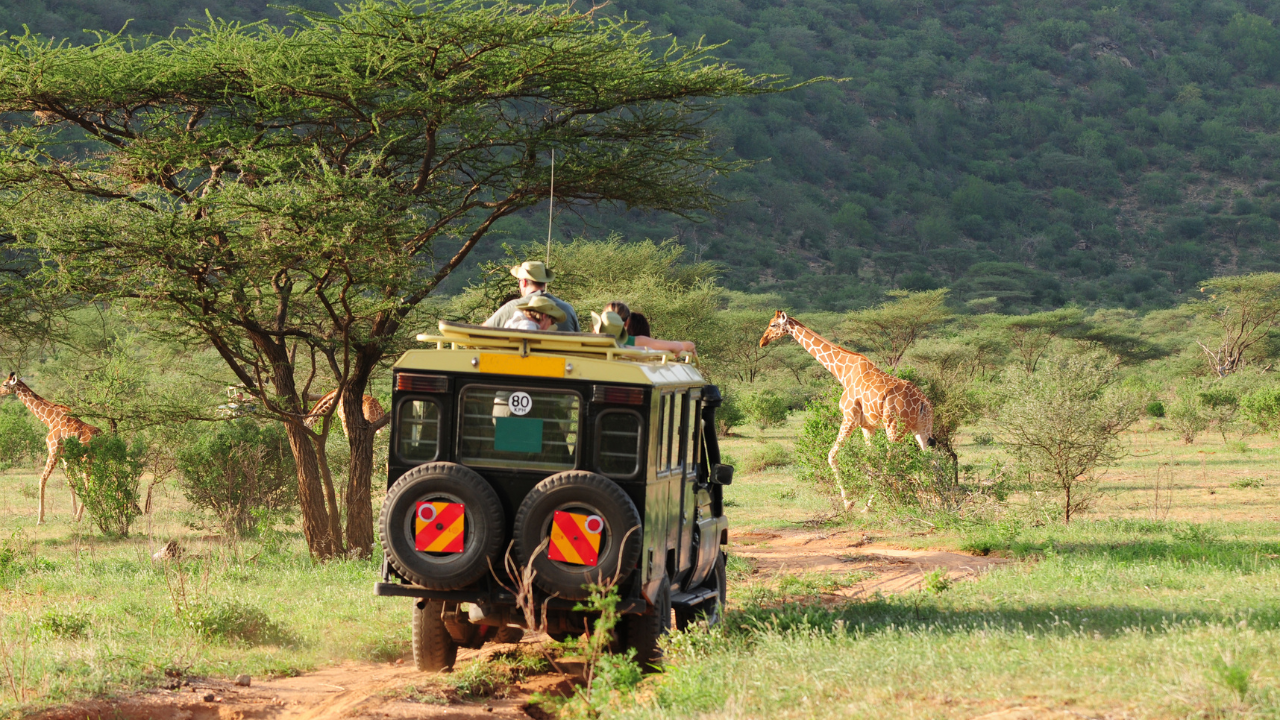
Some safari destinations are defined by a single landscape.
The Elephant Coast is defined by contrast.
Here, ancient sand forests meet warm Indian Ocean beaches. Hippos wallow in vast estuaries while whales migrate offshore. One morning might begin with a Big Five game drive, and by afternoon you're snorkelling above coral reefs or walking along a beach where endangered sea turtles return to nest each year.
It's one of the few places in Africa where a safari doesn't end when the game drive is over.
Instead, it becomes part of a much larger adventure.
Stretching across the northeastern coastline of KwaZulu-Natal, the Elephant Coast offers a safari experience unlike anywhere else in South Africa. Wildlife, wetlands, forests, lakes, marine ecosystems, and rich Zulu heritage come together to create a destination that rewards curiosity just as much as it rewards patience.
Whether you're visiting for a long weekend or building the safari of a lifetime, this guide will help you discover what makes the Elephant Coast so unforgettable.
What Is the Elephant Coast?
The Elephant Coast covers a remarkable stretch of northern KwaZulu-Natal, extending from St Lucia and iSimangaliso Wetland Park towards the Mozambique border.
Rather than being one single reserve, it's a collection of extraordinary protected areas, coastal towns, private game reserves, and natural ecosystems that work together to create one of South Africa's richest wildlife destinations.
Within just a few hours, you can travel between freshwater lakes, coastal forests, open savannah, ancient sand forests, wetlands, coral reefs, and pristine beaches.
That diversity is what sets the Elephant Coast apart.
Many safari destinations ask you to choose between wildlife or the coast.
Here, you don't have to.
iSimangaliso Wetland Park: The Region's Greatest Treasure
If there's one place that captures the spirit of the Elephant Coast, it's iSimangaliso Wetland Park.
As South Africa's first UNESCO World Heritage Site, iSimangaliso protects an extraordinary mosaic of landscapes unlike anywhere else on the continent.
The park stretches for more than 220 kilometres along the coastline, encompassing lakes, estuaries, forests, dunes, wetlands, beaches, and marine reserves.
Its biodiversity is astonishing.
The St Lucia Estuary supports one of Africa's largest populations of hippos and Nile crocodiles. Inland reserves protect rhinos, elephants, buffalo, leopards, and countless antelope species. Offshore waters welcome migrating humpback whales during winter, while endangered leatherback and loggerhead turtles return each summer to nest on protected beaches.
For birdwatchers, it's nothing short of paradise.
More than 500 bird species have been recorded throughout the park, making every walk, boat cruise, or game drive an opportunity to discover something new.
Very few places in the world offer so many different wildlife experiences within a single protected area.
Tembe Elephant Park: A Wilderness Built Around Giants
Every safari has its signature animal.
For Tembe Elephant Park, it's impossible to ignore the elephants.
The reserve protects some of Africa's largest naturally occurring tuskers, with magnificent bulls carrying ivory that has made Tembe famous among wildlife enthusiasts for decades.
But there's something else that makes Tembe unforgettable.
It feels wonderfully wild.
Instead of wide-open plains, game drives pass through ancient sand forests where towering trees create cool, shaded tunnels. Wildlife often appears quietly between the vegetation, making every encounter feel surprisingly intimate.
Unlike busier safari destinations, Tembe encourages visitors to slow down.
The excitement isn't only about finding the next animal.
It's about appreciating the sounds of the forest, noticing fresh elephant tracks in the sand, and understanding the delicate ecosystem that supports these remarkable giants.
For travellers looking to experience one of South Africa's most authentic wilderness areas, Tembe remains one of the Elephant Coast's true highlights.
St Lucia: The Perfect Safari Base
If the Elephant Coast has a front door, it's St Lucia.
This charming coastal town has become one of KwaZulu-Natal's most popular safari bases, and it's easy to understand why.
Within a short drive, visitors can access game reserves, wetlands, beaches, hiking trails, boat cruises, and countless wildlife experiences.
The town itself has its own personality.
Restaurants spill onto quiet streets, local cafés welcome early risers before game drives, and it's not unusual to hear stories of hippos wandering through town after sunset—a reminder that wildlife is never very far away.
Many travellers choose St Lucia because it allows them to enjoy several completely different adventures without constantly changing accommodation.
One day might be dedicated to safari.
The next to the beach.
Then perhaps a boat cruise or birdwatching excursion.
It's an ideal base for families, couples, photographers, and first-time visitors alike.
Beyond the Big Five
The Elephant Coast certainly offers outstanding Big Five safaris.
But reducing the region to only five animals misses what makes it so extraordinary.
This is one of Africa's great biodiversity hotspots.
On a single trip, you might watch dolphins surfing ocean waves, admire colourful kingfishers darting above quiet rivers, encounter chameleons hidden in coastal forests, or spot fish eagles soaring above the estuary.
Even the landscapes seem to change every few kilometres.
Dense forests become open grasslands.
Wetlands give way to towering sand dunes.
Freshwater lakes suddenly open onto endless beaches.
The variety keeps every day feeling fresh.
It's the kind of place where travellers often discover a new favourite animal they weren't expecting to see.
Building the Perfect Elephant Coast Itinerary
One of the greatest strengths of the Elephant Coast is its flexibility.
If you only have three or four days, basing yourself in St Lucia allows you to experience a little of everything.
Spend one day exploring iSimangaliso's eastern shores, another searching for rhinos and buffalo during a game drive, and another enjoying a hippo and crocodile cruise on the estuary.
With five to seven days, your options expand considerably.
Many travellers combine St Lucia with Tembe Elephant Park, creating a wonderful contrast between coastal ecosystems and remote wilderness.
Others include nearby reserves such as Mkhuze Game Reserve, known for excellent birdwatching and beautiful hides overlooking busy waterholes.
The longer you stay, the more you begin to appreciate that the Elephant Coast isn't a single destination.
It's an entire region waiting to be explored.
When Is the Best Time to Visit?
One of the Elephant Coast's greatest advantages is that it offers rewarding experiences throughout the year.
Winter, from roughly May to September, generally provides cooler temperatures and easier wildlife viewing as vegetation becomes less dense. This is also an excellent time for whale watching along the coastline.
Summer transforms the region into a lush green landscape filled with migratory birds, newborn animals, dramatic afternoon thunderstorms, and turtle nesting along protected beaches.
Photographers often love the vibrant colours of summer, while wildlife enthusiasts frequently prefer the clearer visibility of winter.
There's no perfect season.
Only different reasons to visit.
Tips for Planning Your Trip
Pack more than just safari clothes.
One day you'll be on an open game-drive vehicle, the next you might be walking along a beach or boarding a boat cruise. Comfortable clothing, swimwear, binoculars, sunscreen, insect repellent, and a lightweight jacket for cool mornings will cover almost every adventure.
If wildlife photography is a priority, give yourself enough time.
The Elephant Coast rewards travellers who don't rush from one attraction to the next. Spending an extra morning at a waterhole or an additional evening on the estuary often leads to the most memorable encounters.
Most importantly, stay flexible.
Nature rarely sticks to an itinerary.
Sometimes the best day of the trip is the one you never planned.
Why the Elephant Coast Feels Different
People often arrive expecting a safari.
They leave talking about an entire region.
It's the unexpected moments that linger.
Watching a pod of hippos surface as the sun sets over the estuary.
Standing on an empty beach where turtle tracks cross the sand.
Following fresh elephant footprints through Tembe's ancient forests.
Listening to fish eagles calling across the wetlands while the morning mist slowly lifts.
Those moments remind you that the Elephant Coast isn't simply a collection of attractions.
It's a place where ecosystems connect, where wildlife moves between land and sea, and where every day offers the chance to experience Africa from a different perspective.
Perhaps that's why so many travellers promise themselves they'll come back.
Because no matter how much you see, the Elephant Coast always leaves you with the feeling that there's another adventure waiting just around the corner.